

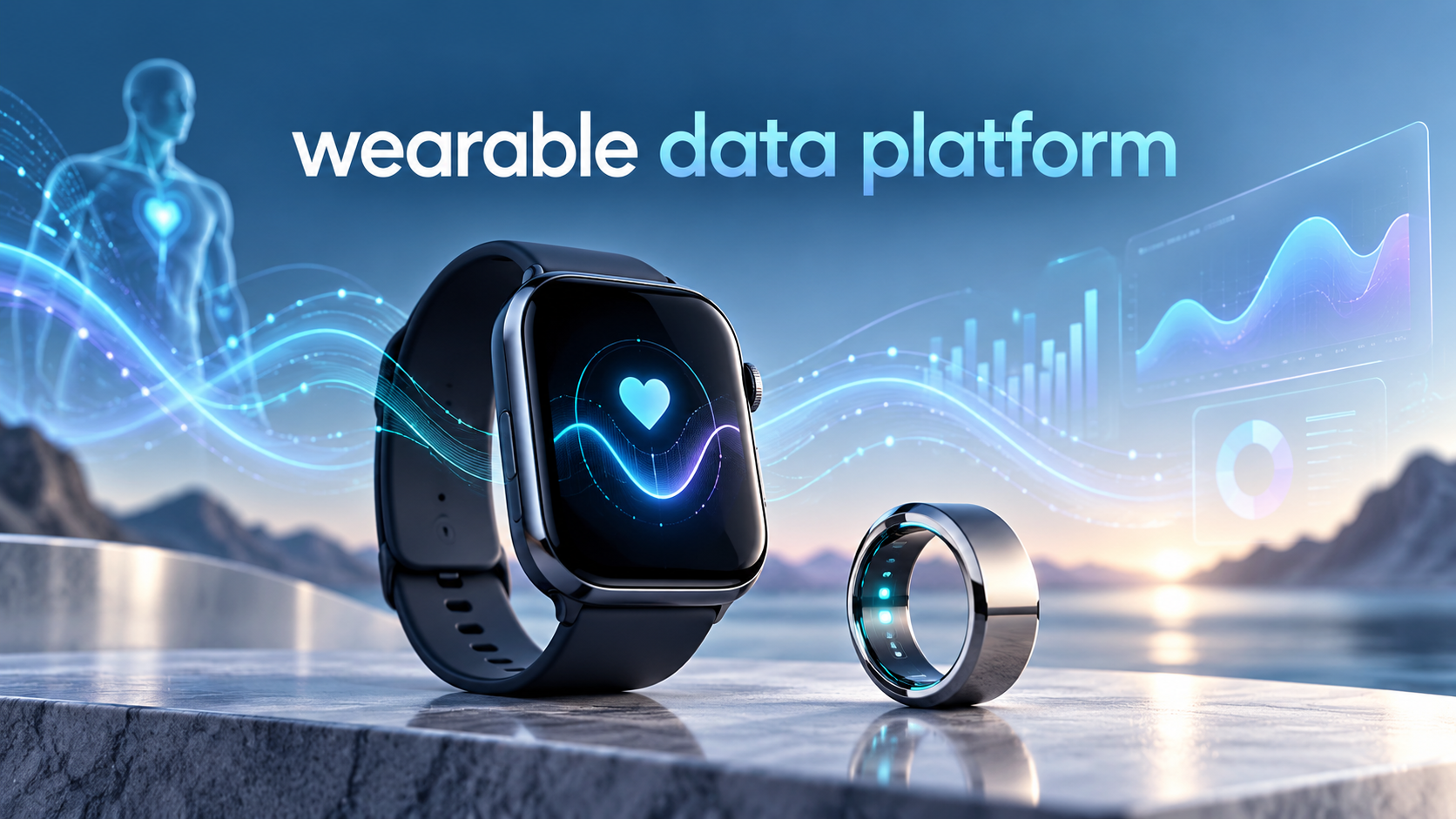
A wearable data platform can turn information from smartwatches, fitness trackers, and smart rings into specialized services for wellness companies, fitness businesses, coaches, employers and digital health products. Instead of building another wearable device, entrepreneurs can build the software layer that connects existing devices, organizes permissioned data, creates useful insights, and delivers those insights through dashboards, apps, APIs, or subscription services.
Why a Wearable Data Platform Is Becoming a Business Opportunity
Wearable ecosystems already generate data such as activity, workouts, sleep, heart rate, temperature, and other wellness measurements. Apple HealthKit allows apps, with user permission, to access and share health and fitness information, while Google's Health Connect supports categories including activity, sleep, heart rate, heart-rate variability, skin temperature, and other records. The opportunity is therefore shifting from collecting data to making the data useful. A developer does not necessarily need to manufacture a smartwatch or ring. A specialized platform could connect permitted wearable information with dashboards, coaching tools, wellness programs, or business workflows.
Businesses exploring data-driven digital products can also study how content and technology become discoverable through platforms such as getting cited by ChatGPT.
How the Wearable Data Platform Would Work
A practical wearable data platform could connect to supported health-data ecosystems and normalize information from different devices.
1. Connect Wearable Data
Users authorize access to selected information through supported integrations. Apple requires fine-grained permission for HealthKit data, and Android Health Connect also requires applications to declare and request access to individual data types. Oura also provides an API through which approved applications can access data generated by Oura Ring users, creating another possible integration path.
2. Turn Raw Metrics Into Useful Services
The platform could transform permitted wearable data into products such as:
fitness and recovery dashboards;
- coaching reports;
- sleep and activity trend summaries;
- workplace wellness tools;
- personalized wellness applications.
A more focused vertical can be stronger than a generic dashboard. For example, women's wellness products could combine user-entered information with appropriate wearable signals. The Luna period tracker app illustrates the broader demand for specialized personal tracking experiences, while this period, ovulation, TTC, and pregnancy app guide shows how narrowly defined health journeys can create distinct product categories.
Who Could Buy Wearable Data Analytics?
The strongest early customers may include fitness coaches, gyms, corporate wellness providers, recovery programs, wellness startups, and specialist health-app developers. Rather than competing directly with Apple, Google, Oura, or wearable manufacturers, a startup could specialize in interpretation, workflow and industry-specific software.
Wearable Data Platform Revenue Model
A startup could monetize through monthly SaaS subscriptions, per-user pricing, API access, white-label dashboards, or enterprise licensing. For an MVP, founders could begin with one device ecosystem, one customer niche, and only three or four useful metrics. This reduces development complexity and makes it easier to prove whether customers will actually pay. Privacy must remain central. Wearable information can be highly sensitive, and both Apple and Google emphasize permission controls around health-data access.
Why This Business Idea Is Worth Testing Now
Wearable platforms increasingly provide structured developer access instead of leaving data locked inside individual devices. That infrastructure lowers the barrier to building specialized software on top of hardware that customers already own. The opportunity is therefore less about selling sensors and more about answering a valuable question: What decision can a business or user make because this wearable data has been organized properly?
Founders could test demand through a narrow dashboard, recruit pilot customers through industry communities, and build an audience through channels such as AI App Space on TikTok, Instagram, and Facebook.
Want More Technology Business Opportunities?
Follow AI App Space on Instagram, TikTok, and YouTube for practical technology opportunities, automation ideas, emerging tools and new ways to build digital businesses.