
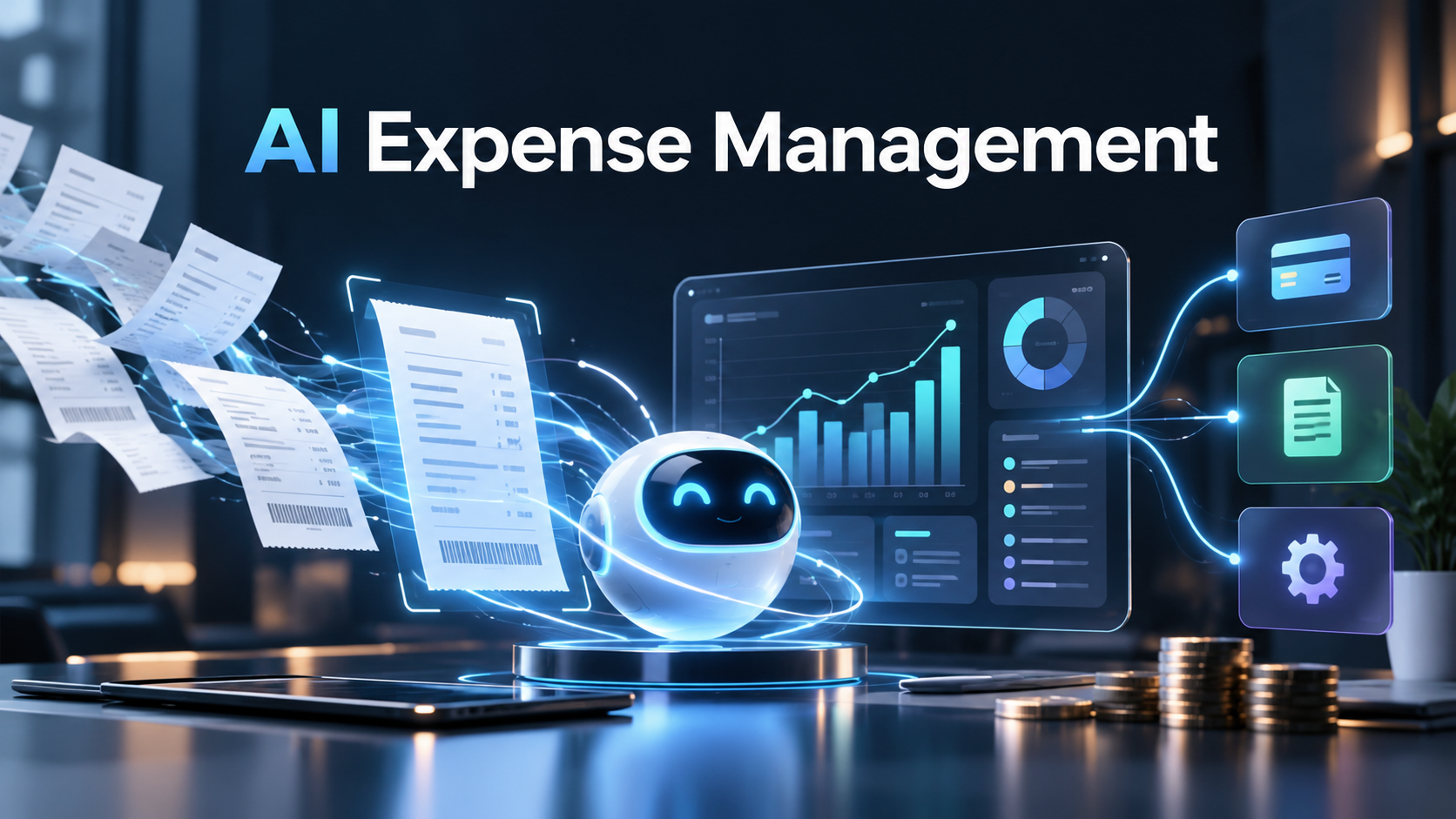
AI Expense Management Business Idea: Build a Smart Business Expense Auditing Platform
AI Expense Management is a promising business opportunity for entrepreneurs who want to help companies automate expense audits, detect duplicate reimbursements, and reduce financial errors. Instead of manually reviewing receipts and spreadsheets, businesses can use artificial intelligence to identify suspicious transactions, enforce spending policies, and simplify financial reporting. A specialized auditing platform could generate recurring subscription revenue while solving a measurable business problem.
Why AI Expense Management Is a Growing Business Opportunity
Manual expense reviews become increasingly difficult as companies expand. Employees submit travel receipts, software subscriptions, meal expenses, and reimbursement requests through different systems. Finance teams must verify each transaction against company policies, creating opportunities for mistakes and unnecessary spending. The Association of Certified Fraud Examiners' 2024 occupational fraud report highlights the financial risks businesses face from internal fraud. Meanwhile, companies such as Expensify and Ramp already offer AI-powered expense automation, demonstrating that the technology has practical business applications.
For entrepreneurs, the opportunity lies in serving smaller companies with simpler, affordable auditing solutions.
AI Expense Management Business Idea: What Should You Build?
Build a cloud-based SaaS platform that automatically reviews business expenses and alerts finance teams when transactions require attention.
Essential Platform Features
- AI Receipt Scanning: Extract merchant names, amounts, and transaction dates.
- Duplicate Detection: Identify potentially repeated reimbursement claims.
- Policy Compliance: Flag expenses exceeding approved spending limits.
- Smart Reporting: Generate categorized financial summaries.
- Audit Dashboard: Help accountants review suspicious transactions.
For example, a marketing agency could upload monthly expense records and receive an organized report highlighting duplicate software charges or missing receipts.
How to Launch an Automated Expense Auditing Service
Start by targeting businesses that already maintain digital expense records but still rely on manual verification. Build a minimum viable product using Python, document recognition, secure databases and rule-based transaction checks. Add AI classification where it improves accuracy.
Initially, support CSV uploads instead of developing complicated accounting integrations.
Test the platform with anonymized expense records and measure false alerts, review time and identified discrepancies. Entrepreneurs can explore related AI products and business tools for inspiration.
Revenue Model and Target Customers
Potential customers include accounting firms, digital agencies, consulting businesses, and growing online retailers. An illustrative subscription model could charge $29–$99 monthly for small businesses, with higher tiers for accountants managing multiple clients. These are proposed prices not verified market benchmarks.
A managed auditing service could also charge setup and monthly review fees.
Customer acquisition could begin through LinkedIn outreach, accounting partnerships and targeted SEO content.
Competitive Challenges and Future Potential
Existing platforms already automate receipts, approvals, and spending controls. A new startup therefore needs differentiation through industry-specific rules, accessible pricing, or specialized auditing reports. AI-generated alerts can be incorrect. Human approval, encryption, role-based permissions and reliable audit trails are essential. Retailers improving operational efficiency can also explore returns management software to understand another area where workflow automation reduces administrative effort.
Final Takeaway
AI Expense Management offers an opportunity to build subscription software around expense verification and financial oversight. Start with one customer niche, validate its most expensive auditing problem and develop a focused solution before expanding.
Want Smart Expense Auditing for Your Business?
Want to automate expense checks, reduce manual reviews, and improve financial visibility? Contact AI App Space through our short inquiry form to discuss a customized automation solution.