
AI Agent Permission Management Business Idea: Build a Security Service That Controls What Autonomous AI Workers Can Access
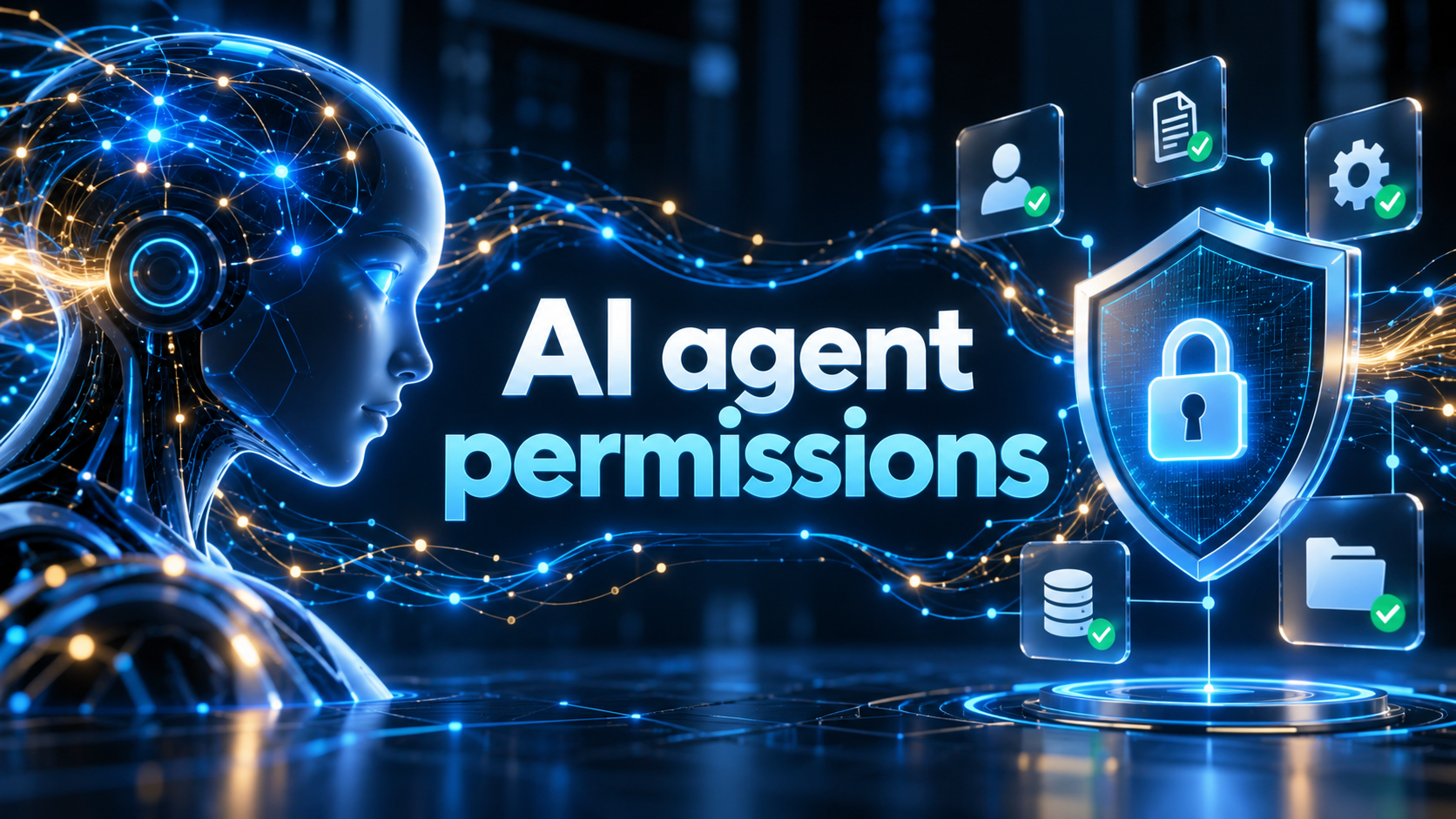
AI agent permissions determine which business systems, data, and actions autonomous AI workers can access. A promising business opportunity is to build a security service that audits these permissions, restricts unnecessary access, and requires approval for sensitive operations. As businesses adopt AI agents for customer support, finance, and administration, specialized permission management can help reduce unauthorized actions and protect confidential information.
Why AI Agent Permissions Are Becoming a Business Opportunity
Unlike traditional chatbots, autonomous AI agents can interact with databases, send emails, update records, and execute workflows. However, excessive access can expose businesses to data leaks, unauthorized transactions, and operational mistakes. In February 2026, the U.S. National Institute of Standards and Technology (NIST) highlighted the growing importance of software-agent identity and authorization controls. Businesses exploring personal AI agents must therefore consider not only automation capabilities but also access restrictions and accountability.
The Hidden Business Idea: AI Agent Permissions as a Service
Entrepreneurs can develop a subscription-based platform that helps companies manage what their AI workers are allowed to do.
Essential Security Features
- Permission auditing: Identify agents with unnecessary access.
- Role-based access: Assign permissions according to responsibilities.
- Approval workflows: Require human authorization for sensitive actions.
- Activity monitoring: Record important agent operations.
- Access revocation: Remove permissions when tasks finish.
These capabilities align with OWASP's recommendations for least-privilege access and human oversight.
How to Build an AI Agent Permissions Platform
Start with a minimum viable product (MVP) that connects to one business application. Develop a dashboard displaying agent identities, authorized tools, access levels, and activity logs. Use OAuth, scoped API credentials, and backend authorization policies. Never depend on AI prompts alone to enforce security. A practical validation experiment is to offer permission audits to five small businesses before investing in advanced automation.
Practical Use Case: Healthcare Applications
Consider a wellness platform such as Wellora Health. A hypothetical AI support agent might need access to appointment information without requiring permission to view sensitive health records. A permission management layer could enforce that separation, reducing unnecessary exposure.
Revenue Model and Target Customers
Potential customers include SaaS companies, healthcare technology providers, digital agencies, and businesses deploying autonomous AI workers. Possible revenue streams include monthly security subscriptions, onboarding fees, managed audits, and enterprise integrations. Illustrative pricing: $99–$499 monthly, depending on connected applications and monitoring requirements. These are proposed prices, not verified market averages.
Why This Business Idea Could Grow
The biggest AI agent security risk is not always what an agent knows, but what its connected tools allow it to execute. For example, a content assistant that reads marketing data should not automatically receive permission to delete customer records. Even seemingly simple applications, such as a sunset forecast app, demonstrate a useful product-design principle: grant software access only to the information necessary for its intended purpose.
Risks and Competitive Challenges
Existing identity-management platforms and cloud security services already provide access controls. New businesses should differentiate through affordable setup, agent-specific visibility, and integrations for underserved SMEs. The biggest challenges include API limitations, customer trust, technical complexity, and securing the security platform itself.
A 30-Day Launch Plan
During the first week, interview business owners using AI automation. Next, develop a read-only permission-audit dashboard. Test it with pilot customers, document security gaps, and validate willingness to pay before introducing automated enforcement.
Want This Security Solution Built for Your Business?
Need help controlling AI workers, protecting sensitive information, or implementing secure automation? APPS-hunt.com can help you explore an AI access-management solution tailored to your operations. Complete our short business inquiry form to discuss your requirements.
Want More AI & Business Opportunities?
Follow our Facebook Cummunity and TikTok for practical AI security insights, automation ideas, emerging applications, and technology business opportunities. You can also follow our Instagram and YouTube channels for more updates.