
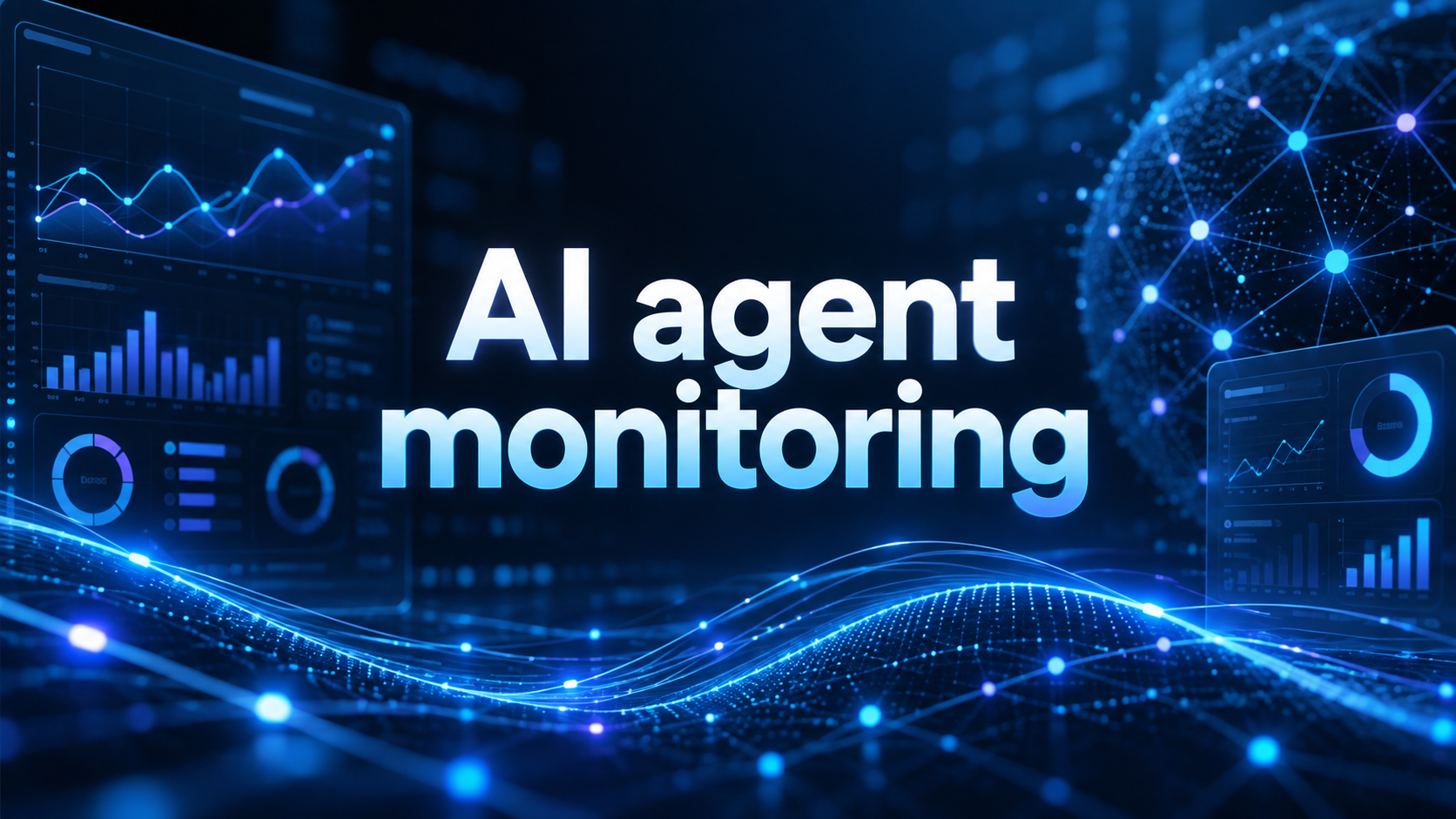
AI agent monitoring is becoming a practical business opportunity as companies give autonomous AI systems more access to customer data, APIs, software, and internal workflows. A specialized monitoring service could help small businesses see what their agents are doing, identify failures, control costs, review actions and intervene before an automated mistake becomes a larger operational problem.
Why AI Agent Monitoring Is Becoming Necessary
AI agents no longer only generate text. They can call tools, retrieve company data, update systems, trigger workflows, and perform multi-step tasks. That increased autonomy also creates a visibility problem. Microsoft now emphasizes observability, monitoring, runtime controls, governance, and auditability as organizations move agents into production. OpenTelemetry is also developing standardized telemetry for generative AI systems, including model calls, token use, tool activity, traces, and other operational signals. The opportunity is therefore shifting from simply building AI agents to helping companies operate them reliably. Small businesses exploring wider AI adoption can also discover related tools and technology resources through APPS-hunt.com.
AI Agent Monitoring Business Idea for Small Businesses
A founder could build an AI agent monitoring dashboard or managed monitoring service designed specifically for smaller companies that do not have dedicated AI operations teams. Instead of replacing the company's existing agents, the service would sit above them and answer practical questions:
- Which agent completed or failed a task?
- Which tools and APIs did it access?
- How much did each workflow cost?
- Where did the agent get stuck?
- Does a sensitive action require human approval?
This creates a simpler alternative to enterprise observability platforms for businesses that only operate a handful of agents.
How the AI Agent Monitoring Service Could Work
An MVP could collect agent logs and events through APIs or standards such as OpenTelemetry, then convert them into an easy-to-read dashboard. The first version could focus on failure alerts, execution history, tool calls, token or API costs, unusual behavior and human escalation. More advanced versions could add policy enforcement, permission monitoring, quality scoring, and automated incident summaries.
Companies already thinking about how AI systems affect customer discovery may also find this guide to AI shopping visibility useful as AI agents increasingly influence digital commerce.
Target Customers and Revenue Model
The strongest early customers could include AI automation agencies, SaaS startups, online retailers customer-support teams, accounting firms, and SMEs using autonomous workflows. Possible monetization models include monthly subscriptions per agent, usage-based monitoring, setup fees, or a managed service. A small founder could begin manually reviewing agent activity for several businesses before investing heavily in a full SaaS platform.
AI Agents May Create Their Own Operations Layer
The overlooked opportunity is that companies may eventually manage AI agents much like they manage employees and software infrastructure: with permissions, performance records, audit histories, alerts and escalation rules This creates room for specialized products serving businesses that find enterprise observability platforms too complex.
Security should also extend beyond AI systems themselves. Android users who want more visibility into application access can explore the Permission Manager app on Google Play.
Why Now?
Agent infrastructure is becoming more observable. OpenTelemetry can already capture generative-AI traces, metrics, model interactions, and tool activity, while platforms such as LangSmith offer dedicated agent tracing. These developments make monitoring products easier to build without creating every telemetry component from scratch. The competitive advantage for a startup would be simplicity, SME-focused pricing, useful alerts and actionable explanations rather than raw technical logs.
Want AI Agent Monitoring Built for Your Business?
If your company is deploying AI agents and needs better visibility, controls, alerts, or workflow auditing, contact AI App Space to discuss a monitoring solution that could reduce manual supervision and help your team operate AI more reliably.
Want More AI & Business Opportunities?
Follow APPS-hunt.com on Instagram, TikTok, and YouTube for practical AI tools, automation ideas, emerging business opportunities, and strategies for using AI to improve business operations.