

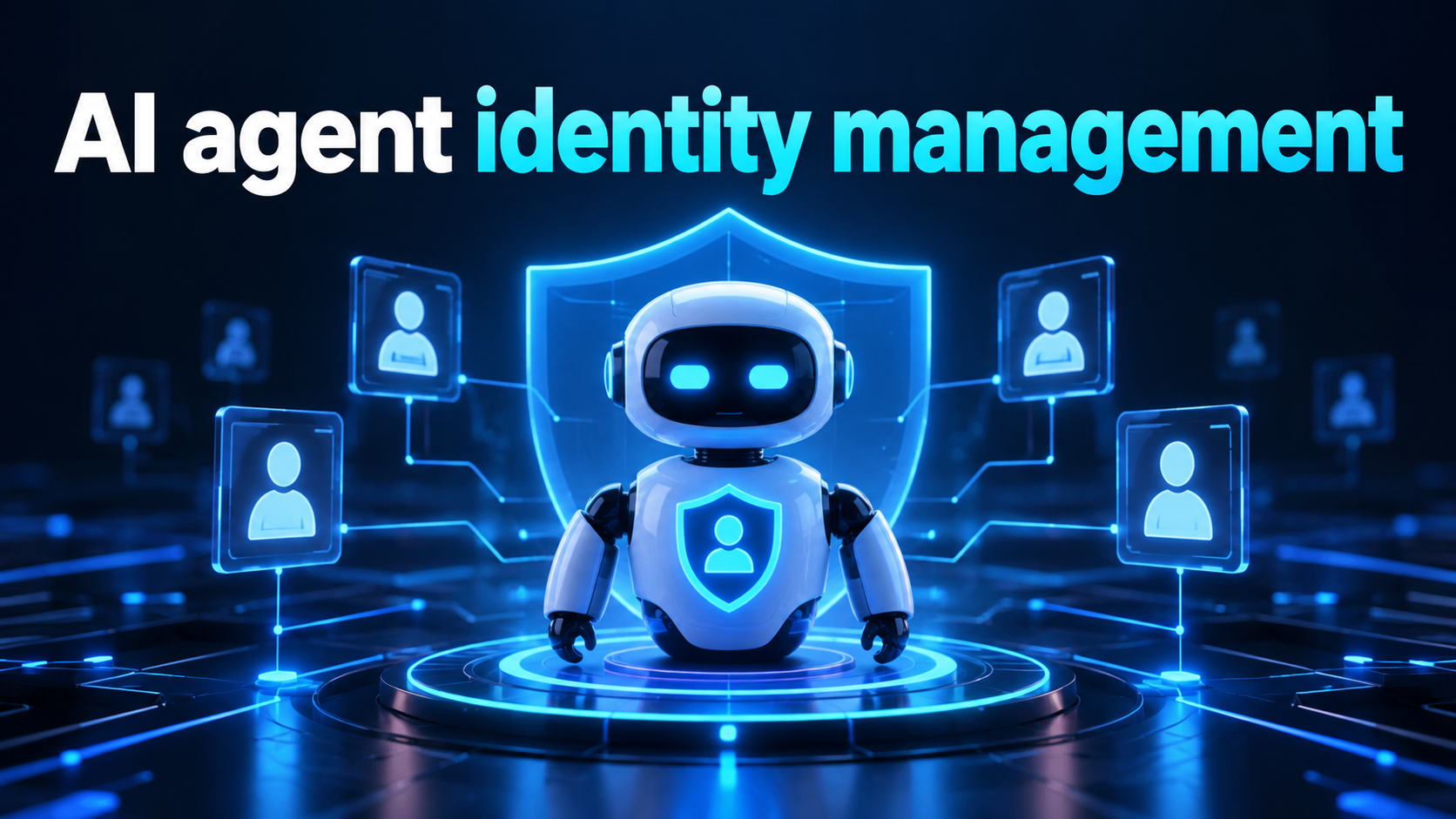
AI agent identity management is emerging as an important security layer for organizations deploying autonomous AI. It gives agents identifiable digital identities and helps businesses control authentication permissions access and lifecycle. As agents gain the ability to use APIs, databases and business applications companies need ways to determine which agent is acting, what it can access and who remains accountable.
Why AI Agents Need Their Own Identities
Traditional identity and access management primarily focuses on people, applications and workloads. Autonomous agents introduce a different challenge: they can select tools perform multi-step tasks and interact with company resources without a human approving every individual action. Microsoft now treats agent identities as distinct accounts in Microsoft Entra. Its documentation describes controls for authentication, authorization, lifecycle governance and agent access. This is a strong industry signal that identity infrastructure is expanding beyond human employees and conventional applications. Businesses exploring this wider security problem can also read our guide to AI agent governance software.
The Cybersecurity Business Opportunity
The opportunity is not simply creating more AI agents. It is building the security infrastructure that makes large-scale agent deployment manageable.
A dedicated platform could help businesses:
- Assign a unique identity and accountable owner to every agent.
- Apply least-privilege permissions to systems and data.
- Monitor authentication and high-risk actions.
- Revoke access when an agent is retired or compromised.
- Maintain audit records for security and compliance teams.
Microsoft already recommends lifecycle controls, secure credential management, access policies, monitoring and auditing for agent identities.
What Could Entrepreneurs Build?
A startup could develop an AI agent identity management platform that creates a central inventory of agents across an organization. The software could map each agent to its owner, permitted tools, connected data, authentication method and current status. A practical MVP could begin with agent discovery, identity registration permission policies, activity logs and a simple risk dashboard. Later versions could add automated access reviews suspicious behavior alerts and integrations with enterprise identity providers. Microsoft’s agent identity architecture already demonstrates concepts such as dedicated identifiers, sponsors and reusable identity blueprints. This suggests opportunities for vendors that simplify identity management across heterogeneous AI environments rather than focusing on only one ecosystem.
Who Could Pay for It?
Early customers could include SaaS companies, AI automation agencies, financial-services businesses and enterprises deploying internal AI agents. Monetization could combine monthly SaaS subscriptions with usage-based pricing, enterprise licensing or managed security services.
For more AI tools and emerging technology-business opportunities, explore APPS-hunt.com.
Explore the APPS-hunt Mobile Experience
Readers who prefer discovering technology from a mobile device can also download the app on Google Play.
Want AI Agent Security Implemented for Your Business?
the automation itself. APPS-hunt can help businesses explore AI workflows and implementation opportunities that save time, automate work and support safer operations. Complete our short inquiry form to discuss your requirements.
Follow for More AI & Business Opportunities
Follow AI App Space on Instagram, TikTok and Pinterest for AI tools, automation ideas, emerging technology opportunities and practical business insights.